From Steak to Staff Curry: The Quiet Genius of a Winter Cauliflower
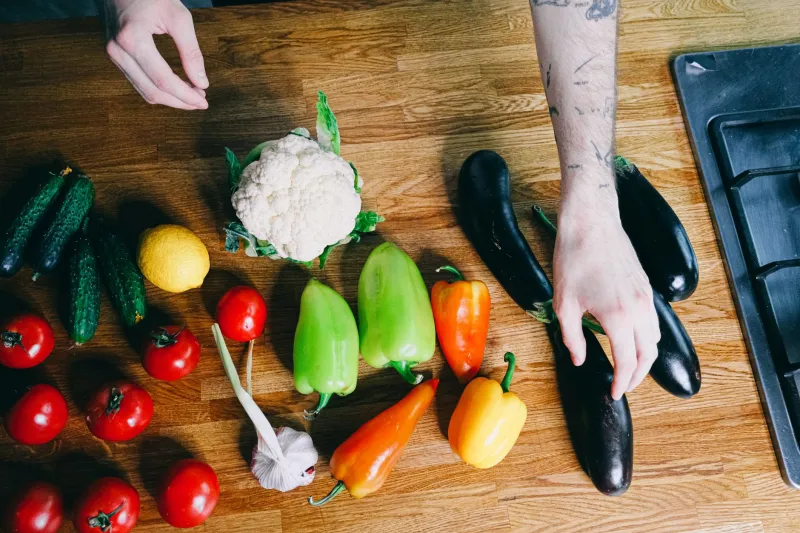
On a wet Tuesday in November, a box arrives at the back door with our name chalked on the side. Inside, among the leeks and the last of the squashes, sits a cauliflower. It is not a beauty-pageant specimen. The curd is creamy rather than snow-white, the leaves are thick and a bit battered, and one side has gone faintly purple where the frost has had a go at it. It is exactly the sort of thing a good local grower sends you when they know you will not turn your nose up.
We put it on the pass and I ask the kitchen a simple question: how far can one cauliflower go? Not as a stunt, and not as a lecture on waste. Just as a bit of winter thinking. Cauliflower is cheap, sturdy and forgiving, and when the menu is trying to taste of the season without turning into a root-vegetable endurance test, it is the quiet fixer in the box.
First cut: steaks and a very hot pan
The first job is to cut two thick slabs from the middle. Not dainty florets — proper steaks, the kind that can take a bit of colour. They get oil, salt and a hard sear in a hot pan, then a few minutes in the oven until the stem is tender but still has some bite. Out they come, glossy and nutty at the edges, and they go on the plate with brown butter, capers, parsley and a squeeze of lemon. That is Monday’s vegetarian plate sorted, and nobody at the table feels like they have been handed the consolation prize.
The trim — the loose florets, the awkward wedges — goes into a tub for later. The leaves are not bin fodder either. They are washed, shredded and set aside with the stalks.
Second: a gratin that earns its cheese
By Wednesday the weather has turned properly grim, so the gratin comes out. The florets and sliced stalk get blanched briefly, then folded into a cheese sauce made with a mature cheddar from a dairy we use up the road. A spoon of mustard, plenty of black pepper, a handful of breadcrumbs on top. It bakes until the edges bubble and the top goes crisp in patches.
There is a temptation with cauliflower cheese to apologise for it, to dress it up with truffle oil or something fashionable. We do not. A good gratin is one of the great British plates, and it works because it is straightforward: soft vegetable, sharp cheese, crunchy top. The only tweak is the stalk, sliced thin so it softens in the bake and adds a little sweetness. Nothing is wasted, and nothing tastes like a compromise.
Third: pickle the little bits
The small florets that fall away during prep go into a quick pickle. Vinegar, sugar, a little salt, mustard seeds, a few fennel seeds, warmed just enough to dissolve. They sit in the fridge overnight and turn into the sharp little lift that makes a ham hock sandwich worth ordering, or a wedge of cheese on the lunch board feel like a proper event. Pickled cauliflower is not fashionable. It is just useful, and I mean that as a compliment.
Fourth: the stalks become soup
The stalks and leaves — the bits most kitchens throw away — go into a pot with onion, a peeled potato and good stock. Simmer until everything collapses, blitz until smooth, then finish with a swirl of hazelnut oil. It tastes deeply of cauliflower, which sounds obvious but is not: so many vegetable soups taste mainly of stock and cream. This one is sweet, earthy and faintly green from the leaves. We serve it in a mug at the pass when the door is open and the wind is coming down the lane.
Fifth: a raw salad for the lunch board
The tightest, whitest florets get shaved raw on the mandoline, tossed with lemon juice, olive oil, salt and a little thinly sliced apple. Maybe some toasted cobnuts if we have them. It is crunchy and clean, and it sits nicely beside the heavier things on the midday menu. A cauliflower does not have to be roasted to be winter food. Sometimes it just needs to be cold, sharp and noisy in a good way.
Sixth: staff curry, and the last of the leaves
By Sunday there is a tub of odds and ends left: a few florets, some stalk, the last of the leaves. That is staff meal. They go into a pan with onion, garlic, ginger, curry leaves, lentils and coconut milk, left to simmer until everything is soft and the kitchen smells like someone’s nan has moved in. We eat it on a stool by the pass with rice and a bit of pickle. It is not on the menu. It is better than that, in a way: it is the kitchen looking after itself.
What one brassica teaches you
The point is not that every restaurant should turn a cauliflower into six dishes. The point is that a good winter kitchen learns to look at an ingredient properly. One cauliflower forces you to think about texture — crunchy, creamy, charred, soft — and about how far a single purchase can stretch without anyone feeling short-changed. It keeps the menu seasonal without making a song and dance about it. It respects the grower who sent it in, knobbly side and all.
At Bistro 8 we are not trying to be clever for the sake of it. We are trying to cook food that tastes of where it comes from and makes a bit of sense on a wet Tuesday. A cauliflower does that. It arrives unbothered, does six jobs, and leaves nothing behind but a few crumbs on the pass. That is not a lesson. It is just good cooking.