The Wet November Test: How a New Grower Earns a Line on Our Board
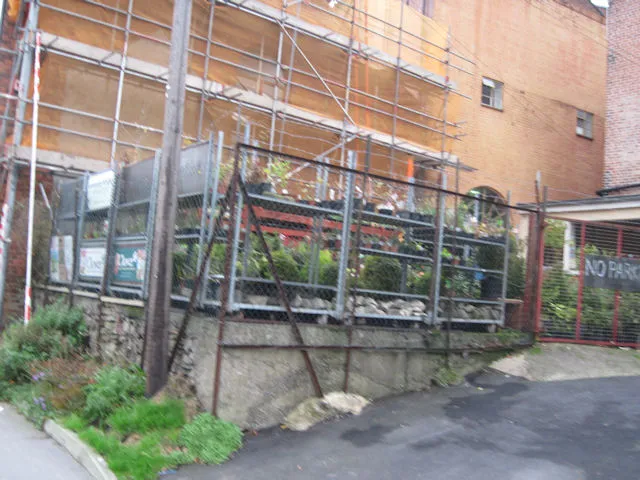
Photo: John Firth, CC BY-SA 2.0, via Wikimedia Commons
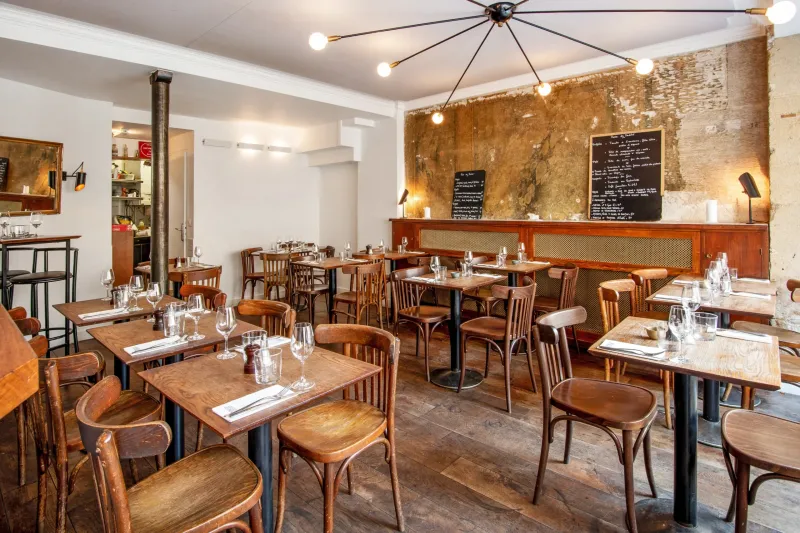
A new grower never starts with a purchase order here. They start with a cup of tea, a chair by the pass and a conversation that is partly interview, partly weather report. The chalkboard is small. Every line has to earn its place, and every line displaces something else. So before the first crate comes through the door, we ask a handful of questions that have very little to do with paperwork and quite a lot to do with whether we can build something that lasts past the first filthy week of November.
What the land is doing when nobody is looking
We are not looking for a perfect farm. We are looking for a grower who can describe their ground honestly. What was in that field last year? What happens to the heavy clay when it rains for six days? Do they cover it, rest it, curse it, plant something tough in it? The answer tells you more than a certificate ever will.
One grower we work with told us plainly that their lower field is “a bog until March and a gift from April.” That honesty was worth more than a glossy brochure. We knew what we were buying into. We also knew they would not ring us in February pretending the spinach was thriving when it was actually sulking under a sheet of ice.
The spray question, asked without a lecture
People assume a bistro kitchen asks about sprays to make a point. We ask because we need to know what we are cooking with and how to plan around it. What do they use, and when? What won’t they use? How do they handle a bad aphid year? Do they talk about it like a practical problem or do they get defensive?
We are not a purity tribunal. We are a small kitchen trying to write a menu that tastes of where it comes from. A grower who says, “I spray this one early, I don’t spray those, and here’s why,” is easier to work with than one who promises perfection. Perfection does not turn up in a muddy crate in November. Consistency and candour do.
The glut conversation
This is the question that sorts the real relationships from the transactional ones. What happens when the courgettes all arrive at once? What happens when the beetroot is ready three weeks early and there is more than anyone can sell? Can they call us? Can we change the board? Can we pickle, roast, soup or special the lot without a drama?
A good grower does not just deliver food. They deliver news. “The beans are finishing, the cavolo nero is coming, and I’ve got a mountain of squash that needs a home.” That is useful. That is how a chalkboard stays alive. If the only conversation is an invoice, the relationship will not survive a glut, let alone a wet November.
The van and the weather
We ask what happens when the van breaks down. We ask who answers the phone at 6am. We ask whether they can get to us in snow, and whether they would rather delay than deliver something tired. These are not glamorous questions, but they are the ones that decide whether a Saturday service runs smoothly or turns into a scavenger hunt.
One supplier once told us, “If the van dies, I’ll borrow the neighbour’s pickup and ring you from the road.” That was the answer we wanted. Not a guarantee. A plan. A bistro is not a supermarket; we cannot absorb a missing delivery by clicking a button. We need people who understand that a crate of herbs is not just stock. It is part of someone’s dinner.
A sample is not a relationship
We taste, of course. We look at the leaves, the roots, the colour, the smell. But a sample is a snapshot. We want to know what the fifth delivery looks like, not just the first. We ask about quantities they can genuinely manage, whether they can do small weekly drops, and how they price when the season shifts. We would rather pay a fair price for something excellent than chase the cheapest crate in the county and spend the week apologising for it.
The question we do not ask
We do not ask, “Can you be cheaper?” We ask, “Will you tell us when it is not good?” That is the one that matters. A grower who rings to say the salad is not up to scratch earns more trust than one who sends it anyway and hopes we will not notice. The chalkboard can survive a missing ingredient. It struggles with a supplier who will not tell the truth.
By the time the first delivery arrives, we are not just vetting a grower. We are starting a working friendship with someone who knows the weather, the soil and the difference between a good week and a bad one. That is the real test. Everything else is just a line on the board.