Written on the Back of a Receipt: The Regulars Who Helped Build Our Specials Board
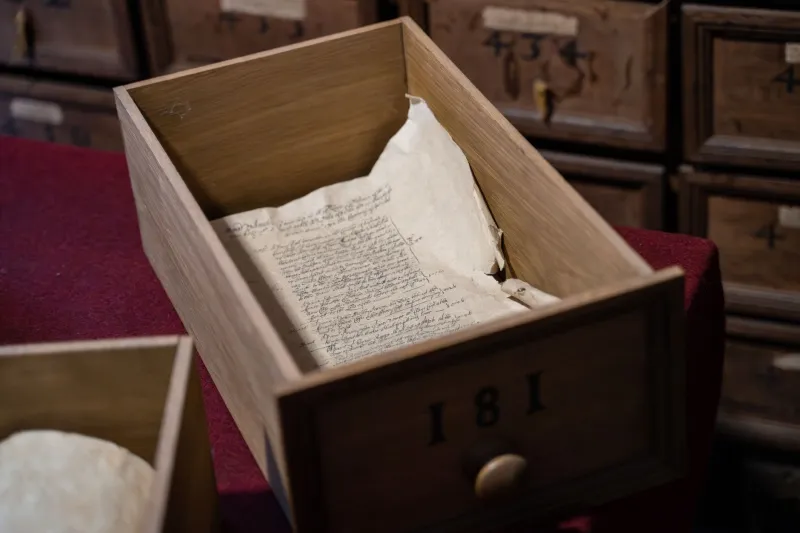
There is a drawer behind the pass at Bistro 8 that never quite closes. It is not a grand archive. It is a jumble of index cards softened at the corners, a few receipts with instructions on the back, and screenshots of text messages that were never meant to become kitchen paperwork. Each one came from a regular. Each one arrived with a story attached, usually over a plate of something else.
We are not precious about it. A bistro is not a museum, and a specials board is not a history exhibit. But the longer we cook in the same room for the same people, the clearer it becomes that our menu is only partly ours. Some of it has been lent to us.
A drawer with no proper filing system
The cards are not organised by season or course. They are organised by memory. There is a lentil bake written in biro on the back of a pharmacy receipt. There is a pie instruction that begins, sensibly, with the word first. There is a photograph of a text message that reads like a recipe and a weather report at the same time.
We keep them because they worked. That is the only real test. A borrowed recipe earns its place on the board by fitting the way we cook: sensible amounts, ordinary equipment, ingredients that arrive in the same van as everything else. If it needs a special pan or a trip to a specialist shop, it tends to stay in the drawer. If it can be made at 5pm on a wet Tuesday without drama, it has a chance.
The other test is whether it can move with the seasons without losing its point. That is where the interesting work happens. A recipe is not a museum piece. It is a set of proportions and a point of view. Change too little and you are serving a relic. Change too much and you are using someone's family recipe as a rough suggestion.
The lentil bake that came with a bus timetable
One of our most reliable autumn specials began with a regular called Miriam, who arrived one lunchtime with a card for her mother's Monday lentils. The original was plain in the best way: red lentils, tinned tomatoes, dried oregano, a cheddar crust. It was the sort of thing cooked in a wide dish and eaten over two days. Miriam wrote the bus timetable on the other side, which tells you something about how seriously she took the handover.
We made it for staff tea first. Then it went on the board with roasted Crown Prince squash folded through the base and cavolo nero stirred in at the end. The cheddar crust stayed. The oregano stayed. We added a little fennel seed because it sits well with squash and because the original was never meant to be a museum piece.
The point was not to make it more complicated. It was to keep the logic: a soft, sweet base, a sharp top, and enough body to stand up to a cold afternoon. On the board it is simply squash and lentil bake with a cheddar crust. Miriam knows. She still orders it, and she still tells us her mother would have used less pepper.
A text message, a bottle of cider, and the chicken that stayed
Not every borrowed recipe arrives on a card. One regular, Tom, sent a text message one evening that read like a set of instructions from someone who had cooked the dish a hundred times and had no interest in explaining himself twice. Chicken thighs, dry cider, tarragon, mustard, apples. Brown the chicken. Do not rush the onions. Finish with something sharp.
We cooked it the following week. The first version was too sweet, because the cider we had was sweeter than his. The second version was better, with more mustard and a spoonful of crème fraîche instead of cream. By the third go it had settled into something we could cook consistently: local cider, apples from the same grower we already buy from, tarragon when it is good, and a sauce sharp enough to cut through the skin.
That dish is now a fixture in late autumn. The text is still in the phone. The recipe is not. It has become a kitchen habit, which is probably the highest compliment a borrowed recipe can receive.
The pie that changes with the hedge
Then there is Peggy. Peggy brought us a handwritten card for a cheese and onion pie, the sort of recipe that assumes you know what a good handful means and does not waste time with exact weights. Her note finishes with the line a good handful of something green. In June that might be wild garlic. In November it is leeks and thyme, softened slowly until they taste sweet rather than sharp.
We do not call it Peggy's pie on the board. We call it leek and mature cheddar pie, because that is what it is. But the card is pinned up, and the kitchen knows where it came from. The pastry is short and forgiving. The filling is not overworked. The something green changes with the hedge and the greengrocer, which is exactly what the note allows.
That is the useful thing about a borrowed recipe. It gives you a shape, not a cage. Peggy's card does not tell us to use leeks in November. It tells us to use what is good and green and available. We just have to be awake enough to listen.
An archive you can eat
A neighbourhood bistro's menu is partly a community archive, but it is a living one. It is not there to flatter the kitchen or to turn regulars into exhibits. It is there because people cook, people talk, and sometimes a dish travels from one family table to another by way of a drawer behind a pass.
We do not print the names on the menu. We do not make a performance of the handover. But if you order the squash and lentil bake and think it tastes like someone's kitchen, it probably does. If the cider chicken reminds you of an autumn Sunday, there is a reason. The board is made of our cooking, yes, but also of what people have been kind enough to lend us.
The drawer stays open. The cards stay in it. And every so often, one of them makes it to the specials board, which is as close to a public archive as a bistro really needs.