A Spoonful of the Same: Why the High Chair Orders from the Chalkboard
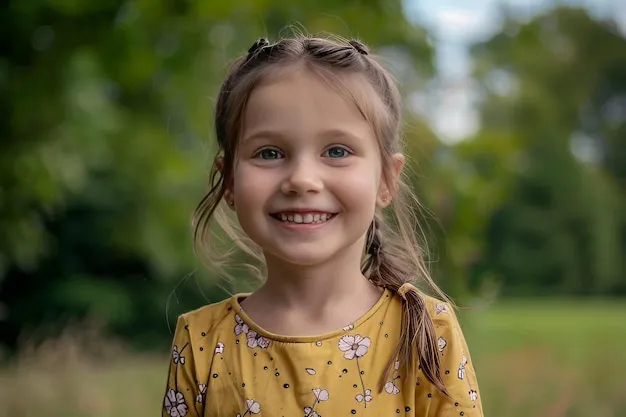
Photo: child eating roasted squash at bistro table high chair UK restaurant, via img.freepik.com
At half past twelve on a wet Tuesday in November 2026, the high chair at table six is doing what high chairs do: catching a sleeve, a spoon and a fair amount of orange. The diner in it is four. On the plate in front of her is a small mound of roasted squash, a few shreds of braised beef and a spoonful of rice pudding. There is no separate children's menu in sight. That is not a stunt. It is how we feed the shortest guests at Bistro 8.
The beige list
Most UK families know the drill. You sit down, someone hands over a laminated card with a cartoon tomato on it, and the choices are nuggets, chips, sausages, pasta with tomato sauce, or something involving breaded cheese. It is a separate supply chain for a separate room. The food often arrives before the adults' starters and tastes like it was designed to survive a car journey.
We do not have that list. The high chair gets the same chalkboard as everyone else, in a smaller quantity. Some days that means roast squash and a little braised beef. Some days it means soup, bread and a spoonful of pudding. It is not a purity test, and it is not a lecture for parents. It is simply the kitchen we already run, applied to a smaller fork.
What comes out of the kitchen
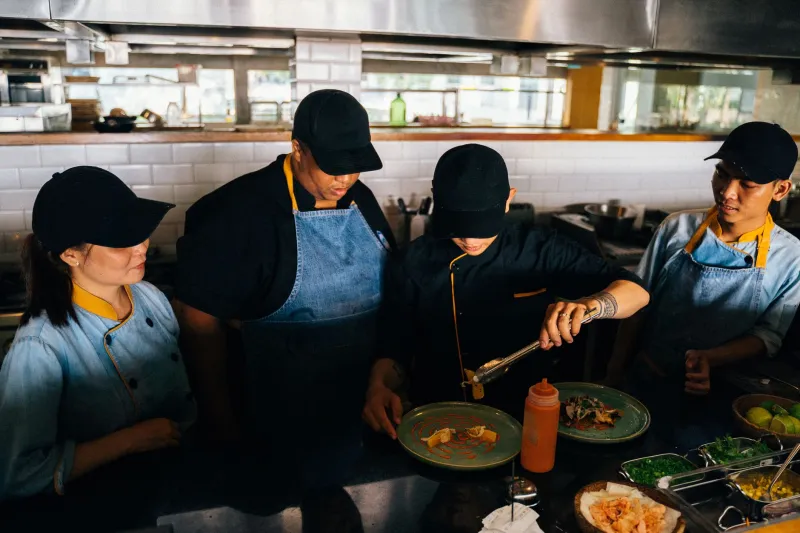
Our chef is blunt about the economics. 'We are already cooking the squash, the beef and the rice,' she says. 'Making a second menu would mean buying a second set of ingredients, often frozen, often beige, and storing them for the handful of families who come in each week. That is more waste, not less.'
The adjustments are practical rather than performative. Seasoning is lighter on a child's plate. Sauces come on the side. Meat is shredded or cut small. We ask about allergies properly, the same way we would for any guest, and we do not pretend a kitchen is risk-free just because the diner is short. If a child wants only plain squash and bread, that is a meal, not a failure. If they want to try the beef, they can. If they hate it, nobody makes a speech.
That flexibility matters. A children's menu often looks generous because it offers choice, but the choice is narrow: beige, beige or beige. A smaller plate of the same food offers less certainty. Some children will eat it. Some will push the greens to the rim and ask for more rice. Both are normal.
Two streets away
The nursery two streets from us, Willow Row, sees the same thing every day. Its manager says children learn to eat by watching and repeating, not by being handed a separate cuisine. 'A child may need to meet a beetroot eight times before it stops being a threat,' she says. 'If the adults around them are eating the same thing, that helps. It tells them this is food, not a challenge.'
At nursery, meals are shared and plain components are served alongside the main dish. There is no reward for clearing the plate and no drama about what gets left. That approach sounds unremarkable, but it is the opposite of the children's menu model, which assumes children will not eat real food and then supplies something else. The high chair at Bistro 8 is a small extension of the nursery table: the same food, a smaller portion, no fuss.
The families who order it
Parents notice. One mother tells me she used to bring a bag of backup snacks to restaurants because she could not trust the kids' list to be anything other than chips. 'Now we order a little plate and let her get on with it,' she says. 'Some days she eats all the beef. Some days she eats rice and stares at a carrot. We have stopped negotiating.'
Another family comes in on Sunday afternoons with two children and a strict budget. A smaller plate of the same menu is cheaper than a separate kids' meal, and there is less left behind. That matters. The UK throws away a shocking amount of food, and a lot of it starts as a children's portion that was ordered because it was the only option, not because anyone was hungry.
There is no toy, no cartoon placemat, no promise of ice cream for good behaviour. The high chair is not a crèche. It is a seat at the table. That is the deal.
The radical spoonful
The rice pudding might be the most radical thing on the menu. It is milk from a dairy we know, nutmeg, rice and time. It is not glamorous. It is not trend-led. It is exactly the sort of thing a child will eat with a spoon and an adult will order because it tastes of something. A children's menu often assumes children will not eat real food; our smallest plates assume they might. That is a different starting point.
Not every child will agree. That is fine. Hospitality is not about winning an argument with a four-year-old. It is about putting something honest in front of them, leaving the judgement at the door and letting the meal be the meal. The high chair has no separate menu because the kitchen has no separate ingredients. If a dish is good enough for the chalkboard, it is good enough for a smaller fork.